Chiropractic care for leg pain
Get to the root of your leg pain
Also known as: Leg Aches, Radiating Leg Pain, Thigh Pain
Leg pain rarely starts in the leg itself. More often it's coming from somewhere higher up — a compressed nerve in the lumbar spine, a herniated disc, a tight hip joint, or referred pain from the sacroiliac region. Pinpointing the true source is the single most important step, and it's exactly where Dr. Sydney Leatherman focuses at The Creek Chiropractic & Wellness. Patients from across the Battle Creek area get a thorough exam first — then a drug-free plan built around what's actually driving the pain.

The basics
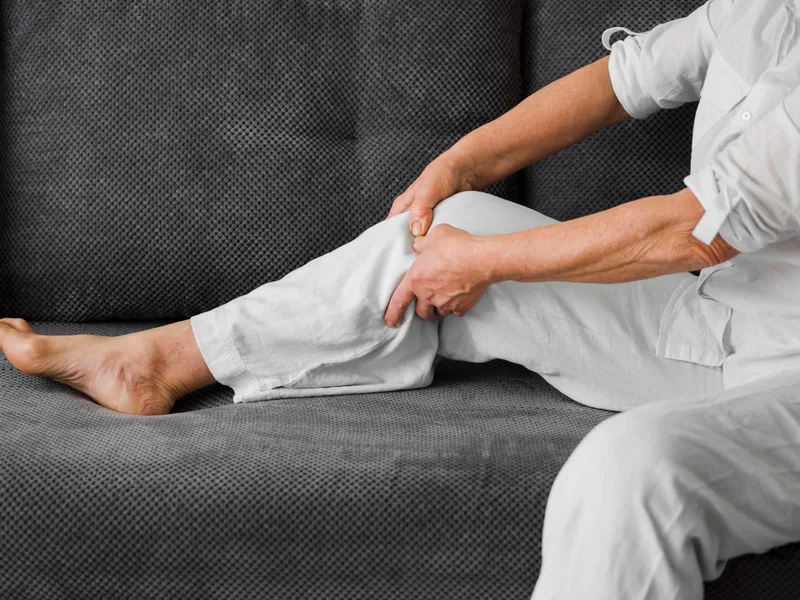
Understanding leg pain
Patients from Battle Creek and the surrounding communities choose us because we don't just treat the leg — we trace the pain to its source. Whether it's a lumbar disc compressing the sciatic nerve, a hip-joint problem referring pain into the thigh, or a local knee-and-muscle issue, Dr. Leatherman maps it precisely and builds one clear, drug-free plan to fix it. We combine chiropractic adjustments, intersegmental traction therapy, and corrective exercise into a coordinated approach that relieves pain now and prevents it from coming back.
The leg is the endpoint of a long chain — nerves exit the lumbar spine, travel through the hips and pelvis, and branch all the way to the toes. When something compresses or irritates a nerve root at the spine (think a herniated disc or a narrowed foramen), pain, numbness, or tingling radiates down the path of that nerve — often into the thigh, calf, or foot — without anything being "wrong" with the leg itself. This is referred or radicular pain, and it's far more common than most patients expect. Sciatica is the best-known example, but disc injury, spinal stenosis, and piriformis syndrome all produce the same pattern.
Leg pain can also originate locally — from the hip joint, the knee, or the muscles themselves — through overuse, injury, or poor biomechanics that put chronic stress on a structure. Because the causes look so similar from the outside (an aching or burning sensation running down the leg), an accurate diagnosis matters enormously. Treating a muscle strain with intersegmental traction, or treating a pinched nerve with a knee brace, won't get you better. Our exam maps the source so your care plan targets the real problem.
Who it helps
Symptoms of leg pain
Why it happens
Common causes
Types of leg pain we treat
Leg pain looks like one problem but hides several very different causes. We help Battle Creek-area patients with:
- Sciatica — the most common referred-leg-pain pattern; a compressed lumbar nerve sends burning or electric pain from the low back through the buttock and down the leg. See our full sciatica page for a deeper look.
- Disc-related radiculopathy — a bulging or herniated disc in the lumbar spine pressing on a nerve root, producing leg pain, numbness, or weakness. Intersegmental traction therapy can help relieve the pressure here.
- Referred pain from the low back — restricted or inflamed lumbar joints that refer a dull ache into the thigh or calf without nerve compression; see back pain.
- Hip-joint referred pain — hip degeneration, labral irritation, or sacroiliac dysfunction that sends an aching sensation into the groin, outer thigh, or knee. See our hip pain page.
- Knee-related leg pain — patellofemoral stress, meniscal irritation, or patellar tracking problems that cause pain from the knee down. See our knee pain page.
- Piriformis syndrome — the piriformis muscle in the deep buttock compresses the sciatic nerve, mimicking true disc-driven sciatica; usually resolves well with soft-tissue work and corrective exercise.
- Muscular and overuse strain — hamstring, quadriceps, or calf strain from sport, exercise, or repetitive work; responds well to rehab and targeted corrective exercise.
Your exam tells us which pattern fits your leg pain so we build a plan for your case — not a one-size-fits-all protocol.
When to see a chiropractor in Battle Creek
Don’t wait out leg pain if you notice any of these — early care means a faster, fuller recovery:
- Pain, burning, or numbness that travels from your low back or buttock into the thigh, calf, or foot
- Leg weakness or heaviness that makes walking, climbing stairs, or getting up from a chair harder than normal
- Pain that started or worsened after a back strain, lifting injury, or a disc problem
- Leg pain combined with low back stiffness, even if the back itself doesn’t hurt much
- Symptoms that shift or change when you change your seated or standing posture
- Leg pain that has lasted more than a week or keeps returning after brief improvement
Seek emergency care immediately if leg pain comes with sudden loss of bladder or bowel control, saddle-area numbness, or rapidly progressing leg weakness — these are signs of a serious neurological event.
Drug-free leg pain relief — without medication or surgery
Pain medication can take the edge off for a few hours, but it won’t decompress a nerve root or restore joint mechanics. Surgery is sometimes necessary, but most nerve-related and musculoskeletal leg pain responds extremely well to conservative care. At The Creek Chiropractic & Wellness, we relieve the compression or structural stress that’s causing your leg pain — then rebuild the strength and movement patterns that keep it from returning. No drugs, no downtime, and no guesswork. If your exam ever points to a cause that needs imaging, medication, or a specialist referral, we’ll tell you honestly and help coordinate that care alongside what we do.
Our approach
How we treat leg pain in Battle Creek
- Step 1
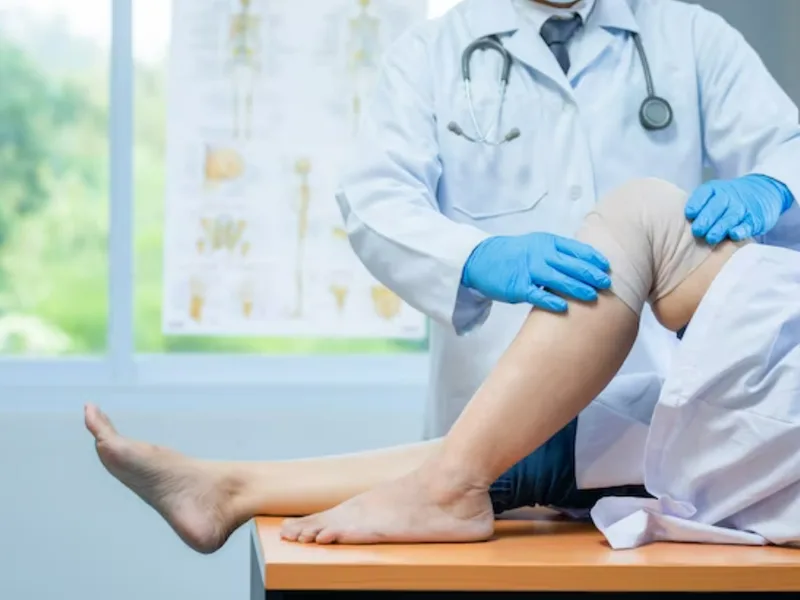
Thorough exam
We assess your lumbar spine, hips, knees, and gait to trace the pain back to its source — nerve, joint, disc, or muscle — before we treat anything. Imaging is ordered only when it will change your care.
- Step 2
A clear, personalized plan
You leave the first visit knowing exactly what is driving your leg pain and with a specific, time-bound care plan written for your case — not a generic protocol.
- Step 3
Targeted treatment & rehab
We combine spinal adjustments, intersegmental traction, and corrective exercise to relieve nerve pressure and structural stress now, then rebuild the strength and movement patterns that prevent recurrence.
Why choose chiropractic
Chiropractic care vs. the typical leg-pain routine
| Comparison factor | Chiropractic Care | Pain Meds & Surgery |
|---|---|---|
| Finds the true source | ✓Spine, hip, knee, or muscle exam | ✕Treats the symptom only |
| Drug-free & non-invasive | ✓Always | ✕Rarely |
| Risk of side effects | ✓Minimal | ✕Higher (meds, surgery) |
| Personalized to you | ✓Custom care plan | ✕One-size-fits-all |
| Addresses nerve compression | ✓Intersegmental traction included when needed | ✕Seldom addressed conservatively |
| Typical recovery | ✓Active & gradual | ✕Often lengthy or recurring |
Treatment options
Services we use to relieve leg pain
-
 Chiropractic Care Gentle, precise chiropractic adjustments in Battle Creek, MI that restore motion to restricted joints and relieve back pain, neck pain, and headaches at the source.
Learn more
Chiropractic Care Gentle, precise chiropractic adjustments in Battle Creek, MI that restore motion to restricted joints and relieve back pain, neck pain, and headaches at the source.
Learn more
-
 Intersegmental Traction Therapy Intersegmental traction in Battle Creek uses a gentle roller table to mobilize the spine, improve disc circulation, and ease muscle tension for better flexibility.
Learn more
Intersegmental Traction Therapy Intersegmental traction in Battle Creek uses a gentle roller table to mobilize the spine, improve disc circulation, and ease muscle tension for better flexibility.
Learn more
-
 Therapeutic Massage Therapeutic massage in Battle Creek relaxes tight muscles, improves circulation, and complements chiropractic care for neck pain, whiplash, and tension headaches.
Learn more
Therapeutic Massage Therapeutic massage in Battle Creek relaxes tight muscles, improves circulation, and complements chiropractic care for neck pain, whiplash, and tension headaches.
Learn more
- Spinal Decompression Therapy Non-surgical spinal decompression in Battle Creek gently stretches the spine to relieve pressure on herniated or bulging discs and ease sciatica and back pain. Learn more



What causes leg pain?+
Most leg pain in adults is referred from the lumbar spine — a compressed nerve root from a herniated disc, spinal stenosis, or a pinched nerve sends pain, numbness, or tingling down the leg even when the leg itself is structurally fine. Hip-joint problems, sacroiliac dysfunction, piriformis syndrome, and local knee or muscle strain are other common culprits. Our exam pinpoints which source is driving your pain so treatment targets the right structure.
Can a chiropractor help with radiating leg pain?+
Yes. When leg pain originates from lumbar nerve compression — the most common scenario — chiropractic adjustments and intersegmental traction therapy directly relieve the pressure on the nerve root. We also address hip and sacroiliac joint dysfunction that refers pain into the thigh and leg. If your exam reveals a cause outside our scope, we'll tell you and refer you appropriately.
How do I know if my leg pain is coming from my back?+
Radiating or referred leg pain typically follows a specific path (such as the outer thigh, calf, or foot), worsens with sitting or bending forward, and often comes with lower back stiffness or soreness — even mild. If pressing on your low back or changing your lumbar position changes the sensation in your leg, that's a strong sign the spine is involved. Our orthopedic and neurological exam confirms it definitively.
How many visits will I need?+
It depends on the cause, how long you've had it, and your overall health. After your exam, Dr. Leatherman recommends a specific, time-bound plan with a clear endpoint — never open-ended treatment.
Will my insurance cover leg pain treatment?+
We accept many major plans and offer affordable self-pay options. Share your insurance details before your first visit and we'll verify your benefits so there are no surprises.
Is chiropractic care for leg pain safe?+
Yes. We screen every new patient thoroughly on the first visit and only begin care once we confirm you're a good candidate. Adjustments and intersegmental traction are non-invasive, drug-free, and well-studied for nerve-related and musculoskeletal leg pain.
Can chiropractic help sciatica pain down the leg?+
Often, yes. Sciatica is one of the most common reasons patients come to us with leg pain. Intersegmental traction therapy and lumbar adjustments can relieve the disc pressure or nerve irritation driving the pain. We're honest about your candidacy — if you need imaging or a surgical consultation, we'll say so and help coordinate it.
Do you treat leg pain from a disc injury or pinched nerve?+
Absolutely. Disc herniation and pinched nerve roots in the lumbar spine are the most frequent spine-related causes of leg pain. Intersegmental traction therapy gently mobilizes the spine segment by segment to ease pressure on the nerve. We serve patients from Battle Creek and the surrounding communities with these conditions regularly.
What is the difference between sciatica and general leg pain?+
Sciatica specifically refers to compression or irritation of the sciatic nerve, which runs from the lumbar spine through the buttock and down the back of the leg to the foot. It tends to produce a sharp, burning, or electric sensation along that specific path. General leg pain may follow a different distribution or stem from the hip, knee, or muscles rather than the spine. A thorough exam — including nerve tension tests and orthopedic assessment — distinguishes between them.
When is leg pain a medical emergency?+
Seek emergency care right away if leg pain comes with sudden loss of bladder or bowel control, severe numbness in the groin or inner thighs (saddle anesthesia), rapidly worsening leg weakness, or follows a major trauma. These can indicate cauda equina syndrome or a vascular event that requires immediate attention. For everything else, we're here to help find and fix the cause.
Disclaimer: We do not diagnose or treat conditions, diseases, or symptoms. Our care is centered on improving the neuromusculoskeletal system by addressing spinal subluxations and the subluxation complex. Any improvement in overall health or function is the natural result of restoring proper spinal alignment and supporting the body's innate ability to heal itself. For medical diagnosis or treatment, please consult a licensed medical professional.