
Chiropractic care for sciatica
Get to the root of your sciatica
Also known as: Sciatic Nerve Pain, Lumbar Radiculopathy
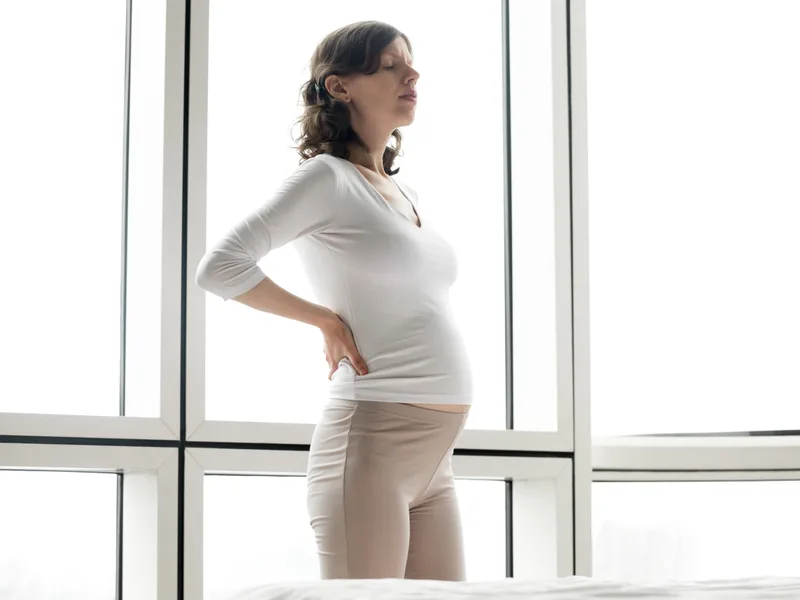
If you feel a sharp, burning, or electric pain shooting from your lower back down your leg (sometimes all the way to your foot), that's sciatica, and it's one of the most common complaints we see at The Creek Chiropractic & Wellness. Dr. Leatherman uses intersegmental traction therapy and gentle adjustments to take pressure off the sciatic nerve and help patients across the Battle Creek area get lasting relief without drugs or surgery.

The basics
Understanding sciatica
Patients from Battle Creek and the surrounding communities choose The Creek Chiropractic & Wellness for sciatica because we don't just chase the symptom: we find and address what's compressing the nerve. Dr. Leatherman combines intersegmental traction therapy to gently mobilize the spine, precise chiropractic adjustments to restore proper spinal mechanics, and targeted rehab to rebuild the core support that protects the disc long-term. The result is a care plan designed to get you out of pain and keep you that way, not an open-ended series of visits.
We give every patient a plain-English explanation of exactly what we found, what we'll do about it, and how long a realistic recovery takes. If your sciatica needs imaging, a specialist, or a level of care we can't provide, we'll tell you — and help coordinate that referral promptly.
The sciatic nerve is the largest nerve in the human body; it begins at the lumbar spine, passes through the buttock, and runs all the way down each leg to the foot. When a disc, bone spur, or narrowed joint space presses on one of the nerve roots that forms the sciatic nerve, the result is the familiar pattern of pain, numbness, tingling, or weakness that can radiate from the low back all the way to the toes.
Most sciatica originates at the L4, L5, or S1 disc levels in the lumbar spine. A herniated or bulging disc is the single most common trigger, but spinal stenosis, degenerative disc disease, and even a tight piriformis muscle in the buttock can compress or irritate the nerve and produce identical symptoms. Because the root cause is mechanical (a structure pressing on a nerve), conservative care that relieves that pressure is often highly effective, and surgery can frequently be avoided.
Who it helps
Symptoms of sciatica
Why it happens
Common causes
When to see a chiropractor in Battle Creek
Sciatica has a wide spectrum of severity, from a mild ache that comes and goes to debilitating pain that makes sitting, standing, or walking nearly impossible. Consider booking an exam at The Creek Chiropractic & Wellness if you notice:
- Leg or buttock pain that has lasted more than a week or two
- Numbness or tingling running down the thigh, calf, or into the foot
- Weakness in a leg or foot that affects your balance or gait
- Pain that flares severely with sitting, sneezing, or coughing
- Recurring episodes that keep interrupting your work or workouts
- Sciatic symptoms following a car accident, sports injury, or fall
Red flag: seek emergency care immediately if you experience loss of bladder or bowel control, saddle-area numbness, or sudden weakness in both legs. These are signs of cauda equina syndrome, which requires urgent medical evaluation rather than a chiropractic visit.
For the large majority of sciatica presentations without red flags, a thorough exam lets us confirm the nerve root involved, identify the structure causing the compression, and start a targeted care plan the same day. Learn more about how disc problems connect to low back pain or explore what intersegmental traction involves before your visit.
Types of sciatica we treat
Sciatica has many faces, and your care plan should match the specific cause, not a one-size-fits-all protocol. We regularly help Battle Creek-area patients with:
- Disc herniation sciatica: the most common type, where a bulging or herniated disc presses directly on a lumbar nerve root. Often responds very well to intersegmental traction therapy.
- Spinal stenosis sciatica: nerve compression from a narrowed spinal canal, common in patients over 50. A combination of intersegmental traction and chiropractic adjustment helps restore motion and mobility.
- Piriformis syndrome: the sciatic nerve is irritated by a tight piriformis muscle in the buttock rather than at the spine. Targeted corrective exercise and soft-tissue work are key here.
- Degenerative disc sciatica: reduced disc height from wear gradually narrows the foramen where nerve roots exit, causing ongoing or recurring symptoms. Often tied to broader disc injury or back pain patterns.
- Post-injury sciatica: a fall, sports injury, or car accident shifts spinal alignment and loads the disc or nerve. We also see this alongside hip pain when the pelvis is involved.
Your first visit includes the testing needed to tell these apart, so treatment targets the actual cause.
Drug-free sciatica relief: without medication or surgery
Medication can quiet sciatic pain for a few hours, and surgery is a major step that’s rarely necessary for most disc-related sciatica. Chiropractic care offers a better path: relieve nerve pressure and correct the mechanical problem causing it, without drugs or downtime. Intersegmental traction therapy gently mobilizes the lumbar spine to ease pressure around the nerve. Precise chiropractic adjustments restore joint mechanics. Corrective exercise rebuilds the core and hip stability that protects the disc long-term. For most Battle Creek-area patients, that combination means getting back to work, workouts, and family life, and staying there. If imaging, medication, or a specialist referral is ever the right call, we’ll tell you honestly and coordinate that care promptly.
Our approach
How we treat sciatica in Battle Creek

- Step 1
Thorough nerve & spine exam
We perform orthopedic and neurological testing to confirm which nerve root is involved, rule out red flags, and determine whether intersegmental traction, adjustments, or a combination is the right first step.
- Step 2
A specific, time-bound plan
You leave the first visit with a plain-English explanation of what's driving your sciatica and a care plan with a real endpoint, not a standing appointment that never ends.
- Step 3
Traction, adjustment & rehab
Intersegmental traction therapy gently mobilizes the spine to ease nerve pressure; adjustments restore joint mobility; targeted rehab strengthens the muscles that protect the disc long-term.
Why choose chiropractic
Chiropractic care vs. the typical sciatica routine
| Comparison factor | Chiropractic Care | Pain Meds & Surgery |
|---|---|---|
| Addresses the root cause | ✓Relieves nerve pressure at the source | ✕Masks the pain signal |
| Drug-free & non-invasive | ✓Always | ✕Rarely |
| Risk of side effects | ✓Minimal | ✕Higher (meds, surgery complications) |
| Personalized to you | ✓Custom care plan per exam | ✕Standardized protocols |
| Builds long-term resilience | ✓Rehab included | ✕Seldom addressed |
| Typical recovery trajectory | ✓Active & progressive | ✕Often lengthy or recurring |
Treatment options
Services we use to relieve sciatica
-
 Chiropractic Care Gentle, precise chiropractic adjustments in Battle Creek, MI that restore motion to restricted joints and relieve back pain, neck pain, and headaches at the source.
Learn more
Chiropractic Care Gentle, precise chiropractic adjustments in Battle Creek, MI that restore motion to restricted joints and relieve back pain, neck pain, and headaches at the source.
Learn more
-
 Prenatal Care Gentle prenatal chiropractic in Battle Creek, MI — safe relief for back, hip, and pelvic discomfort during pregnancy.
Learn more
Prenatal Care Gentle prenatal chiropractic in Battle Creek, MI — safe relief for back, hip, and pelvic discomfort during pregnancy.
Learn more
-
 Intersegmental Traction Therapy Intersegmental traction in Battle Creek uses a gentle roller table to mobilize the spine, improve disc circulation, and ease muscle tension for better flexibility.
Learn more
Intersegmental Traction Therapy Intersegmental traction in Battle Creek uses a gentle roller table to mobilize the spine, improve disc circulation, and ease muscle tension for better flexibility.
Learn more
-
 Athlete Care Sports injury rehab in Battle Creek helps athletes of every level recover from strains and overuse injuries and return to play stronger, with a clear, staged plan.
Learn more
Athlete Care Sports injury rehab in Battle Creek helps athletes of every level recover from strains and overuse injuries and return to play stronger, with a clear, staged plan.
Learn more
- Spinal Decompression Therapy Non-surgical spinal decompression in Battle Creek gently stretches the spine to relieve pressure on herniated or bulging discs and ease sciatica and back pain. Learn more
-
 X-Rays On-site digital X-rays in Battle Creek, MI, ordered only when clinically needed, with low-dose modern equipment and a plain-English review of your findings the same day.
Learn more
X-Rays On-site digital X-rays in Battle Creek, MI, ordered only when clinically needed, with low-dose modern equipment and a plain-English review of your findings the same day.
Learn more
-
 Thompson Technique Thompson Technique chiropractic care in Battle Creek, MI, a gentle, drop-table adjustment using precise, low-force segmental contacts.
Learn more
Thompson Technique Thompson Technique chiropractic care in Battle Creek, MI, a gentle, drop-table adjustment using precise, low-force segmental contacts.
Learn more
-
 Activator Technique Activator Technique chiropractic care in Battle Creek, MI, using precise, low-force adjustments with a handheld instrument for gentle, targeted relief.
Learn more
Activator Technique Activator Technique chiropractic care in Battle Creek, MI, using precise, low-force adjustments with a handheld instrument for gentle, targeted relief.
Learn more
Related conditions
Other conditions we treat in Battle Creek

What causes sciatica?+
Sciatica happens when the sciatic nerve (the longest nerve in your body) is compressed or irritated, usually by a herniated disc, bone spur, or narrowed spinal canal in the lower lumbar spine. The nerve travels from the lower back through the buttock and down each leg, which is why even a small amount of pressure at the spine can cause pain, numbness, or tingling all the way to the foot.
How long does sciatica last?+
Mild cases can ease within a few weeks with proper care. Longer-standing sciatica (especially from a herniated disc or stenosis) typically takes several months of consistent treatment. Skipping care or waiting it out often allows the underlying disc or joint problem to worsen, which extends recovery. Starting treatment early usually means a faster, fuller result.
How can I relieve sciatica pain at home?+
Gentle walking, ice on the lower back for the first 48–72 hours, heat after that, and avoiding prolonged sitting all help manage symptoms. Light piriformis and hip-flexor stretches can take tension off the nerve. That said, home care treats the symptom, not the disc or joint causing it. If your pain lasts more than a week or two, worsens, or affects both legs, book an exam so we can address the source.
When should I see a chiropractor for sciatica?+
If leg pain, numbness, or tingling persists more than a week, limits your daily activities, or keeps coming back, it's time for an exam. Early care almost always means a faster recovery and a lower chance of the problem becoming chronic.
Is chiropractic safe for sciatic nerve pain?+
Yes, for most people. We screen every patient on the first visit with orthopedic and neurological testing. Intersegmental traction and adjustments are very well tolerated by good candidates. We'll be upfront if you need a different approach (including a referral) and we never begin care until we've confirmed you're a suitable candidate.
What is intersegmental traction therapy for sciatica?+
Intersegmental traction is a therapy that uses a gentle, motorized roller table to mobilize the spine segment by segment. The rhythmic motion improves circulation to the lumbar discs, eases the muscle tension around an irritated nerve, and supports disc health, all without needles, drugs, or surgery.
Will insurance cover sciatica treatment?+
We accept many major insurance plans and offer self-pay options. Send us your insurance information and we'll verify your benefits before your first visit so there are no surprises.
Are there any warning signs I should go to the ER instead?+
Yes. Loss of bladder or bowel control, numbness in the groin or inner thighs, or rapidly progressing weakness in both legs are red flags for a serious condition called cauda equina syndrome and require emergency evaluation immediately, not a chiropractic appointment. Call 911 or go to the ER right away.
Can sciatica come back after treatment?+
It can, especially if the underlying disc weakness or posture habits aren't corrected. That's why our plans include rehab, not just pain relief. Patients who complete their corrective phase and maintain their home exercises have a significantly lower rate of recurrence.
Do you treat sciatica for patients across the Battle Creek area?+
Absolutely. We serve patients from Battle Creek and the surrounding communities. Most patients from those areas find us very convenient to reach, and we keep scheduling flexible for busy schedules.
Disclaimer: We do not diagnose or treat conditions, diseases, or symptoms. Our care is centered on improving the neuromusculoskeletal system by addressing spinal subluxations and the subluxation complex. Any improvement in overall health or function is the natural result of restoring proper spinal alignment and supporting the body's innate ability to heal itself. For medical diagnosis or treatment, please consult a licensed medical professional.